Saturday, November 12, 2016

Old Ideas Have Merit


Even though I clerked, waitressed, mowed, and lifeguarded to earn my way through college, I had only one career-- an English teacher. My husband’s path was similar. He worked first as a fish culturist for Wildlife and Parks, but when a game warden position opened, he applied and served in that field until he retired. Imagine learning during the last few years I taught that students currently graduating can expect to have 25 different occupations throughout their professional lives. How do you prepare youngsters for that?

 My colleagues and I offered students a foundation in basics along with practicing the ability to adapt. A task that seemed daunting until I discovered something important during genealogical research. Heavens, most of our ancestors’ jobs haven’t existed for generations or aren’t in demand today. Those dead relatives often recalibrated in mid-life when lost markets or industrial revolutions collapsed livelihoods.

Through family stories, I knew my genepool often worked as teachers, preachers, and storekeepers. Their other occupations surprised me. One fellow was a wool comber. I had to think about this until I realized he lived in rural England before factories existed, during a time when wool or flax was raw materials for clothing. Apparently, his task involved combing freshly sheared and washed sheep hair so that spinners could perform their magic. A weaver friend works with this fiber from the time it’s harvested until it’s turned into yarn and understands what this job entails. However, it’s her hobby, not her livelihood.

Another relative listed his occupation as tanner. This made sense since I know a professional who prepares elk and deer hides for those who make either furnishings or rendezvous apparel from scratch. However, he’s the only one I know specializing in this lost art on a grand scale. Besides, it’s a sideline to his western décor business.

A distant great-grandpa designated cooper as his profession. I looked that one up because I wasn’t sure what it involved. Before cellophane, plastic, and paper packaging were common, coopers either constructed or repaired barrels that families used for storage and shipping. While modern ones are molded from plastic of some kind, wood deteriorates. Finding functional containers at antique sales isn’t at all common while locating a cooper to repair one is nearly impossible.

One ancestor was a glover during Massachusetts’ early years. I wondered how he earned enough to support his large family before realizing colonial Americans wore gloves far more often than present day ones do. He’d have maintained a supply of sturdy hand gear sewn from hide as well as finer dress wear created from supple nubuck or suede. In addition, women bought cotton and wool gloves for fashion and warmth. Since he paid taxes and left a will, he must’ve had ample business.

A common factor in my predecessors’ jobs was that few required college degrees and most demanded specific skills a person could apprentice to learn. According to Mike Rowe’s Foundation at mikeroweworks.org, many youngsters sitting in desks today could fill thousands of available jobs if they trained for a semester or two at a vocational school rather than spending four years in college. Seems like old ideas still have merit.


Saturday, November 5, 2016

What’s Gonna Happen to History?

One of my favorite pastimes is using primary sources such as letters, diaries, old account books, and news stories to interpret the past. Learning about history directly from someone who lived it sparks an interest that brings that era to life better than any textbook can. You can imagine the fun a retired English teacher and self-professed Cather geek is having reading The Selected Letters of Willa Cather.

Once I got over the guilt of reading postings my favorite author never intended for public consumption, I’ve relished every letter. I particularly enjoyed those offering insights into O Pioneers! My Antonia, A Lost Lady, The Professor’s House, Song of the Lark, and Death Comes for the Archbishop.

Her business correspondence reveals how involved this artist was involved in everything from the selection of covers, paper, fonts, and artwork and fascinates me. More personal missives disclose that she loved the West and those who called it home. Here’s a woman who left Nebraska to spend most of her life navigating life in the world’s largest cities. Despite her urban prowess, she tells one mail recipient that she’s “just a corn farmer.” In other notes, she details Southwest adventures and how she hopes her novels set in that locale make its beauty clear to those who’ve never visited.

Her letters aren’t terse communications. She writes so that you sense you’re eavesdropping on private conversation. I loved when she explained how novels poured from her pen. In one passage she mentions how writing is akin to channeling as if she’s the receiver of otherworldly signals. Though she’s been gone decades, I feel like I’m chatting with a friend to learn how her artistic process works.

In addition to insights into this Nebraska novelist’s published collections, Cather offers tidbits about life in the early 1900s. Her readers view Pittsburg, New York, Europe, and Red Cloud to learn about theater, opera, magazine editing, setting up apartments, socializing, and eventually World War I through her observant lens. Her commentary about editing is so frank that I’m sure she’s spinning in her grave to think private words are now public. Her anecdotes about France after the war personalize that tragedy more clearly than anything except battlefield photos can.

As I savor this peek into the past, it makes me wonder what future students of history will lose now that so few of us compose beautifully written conversations with friends, loved ones, and colleagues. Digital contacts are typically brief and to the point, sharing few insights into a writer’s character. Besides, once a computer program is outdated, it’s difficult to access stored material. How many of us have floppy discs we can’t open?

It’s a thrill to crawl inside the mind of a writer I’ve loved since I was a teen. However, this time machine made of postal notes sets off noisy alarms. Good historical research requires access to primary sources. If we have no well-written letters and journals for future historians to examine, scholars lose personal perspectives into the era they study. What a loss!


Friday, October 28, 2016

A Belated Sort of Ghost Story

Compared with the thin-veiled night of October 31, the more flamboyant July 4th doesn’t seem much like a time to expect a haunting. That may be true in normal circumstances, but when you live in Ellis County where you’ve heard stories about the Blue Light Lady roaming rolling hills southwest of Hays, one day is as good as another to encounter disembodied spirits. Our grown daughters still recall the scare of their lives on rise overlooking old Fort Hays.

The little girls’ holiday began with bags of poppers and sulfurous snakes that stained our sidewalk black for months afterwards. After they shrieked at those exploding, powder-filled tissues and lit licorice nib-size buttons that wound into stinky coils, we cooled off at the swimming pool. Later, we cranked ice cream, fried chicken, and baked chocolate cake while my husband patrolled Cedar Bluff. He promised to get home in time to watch Hays’ firework show.

Early July means the sun doesn’t set until after nine, so our sunburned blondes were tired by the time their father came home. Hearing the door open, they wrapped themselves around his legs, hollering, “Fireworks!” He stalled them long enough to grab cold chicken and cake before piling in the car.

Instead of following the highway, my hubs told us he’d drive the back way, south of Ellis. Eventually, he took a dusty country road that eventually overlooked the festivities below our lonely hilltop. A game warden, he’d driven these county roads and knew exactly where we’d have the best view. As neared our destination, a niggling memory inched from the recesses of my mind. I recollected students writing essays about spotting the legendary Blue Light Lady near our targeted parking spot.

Those teenage stories often included realistic encounters with a wandering spirit. Despite suspecting that many such sightings were designed to trigger scared girls to leap into brave boys’ arms, I didn’t want to meet this ghost.

My husband dismissed my concerns with a big grin, and big ears in the back seat begged to watch the show from Blue Light Lady Hill. Apparently, all my loved ones were game to meet a disembodied spirit. I, on the other hand, had encountered a ghost or two and wasn’t eager to hang out with ectoplasm.

We put the car in park just after dusk and lowered windows to catch evening breezes. Immediately, mosquitoes telegraphed every nearby bloodsucking insect, alerting them that dinner had arrived. While smacking buzzing torpedoes, we talked about the nurse who cared for cholera patients at the fort and succumbed to the disease herself. According to the story, she convinced her husband to bury her near the hill where she wandered the prairie every day. All of us were sad to think about her short life, but the irritating drone of invading bugs and the first flashes of early fireworks preoccupied us.


As darkness deepened and exploding diamonds punctuated black skies, my daughters and I stared transfixed at the magic of gunpowder combined with colorful chemicals. Perfectly timing his treachery, our driver cried, “What’s that?”

Our eyes flashed to his corner. Horrified, we spied a monstrous hand covering the windshield. We shrieked like actresses in monster movies. The instigator laughed hysterically. He’d pulled a good one on his gullible girls.

He laid the groundwork by taking us to Blue Light Lady Elizabeth Polly’s old haunt. Then he encouraged our ghost story recollections. In the dark with showers of descending sparkles to distract us, the rascal slipped his long arm out the open window, wrapped it over the glass before him, and scared the peewadlins out of his daughters, wife, and a horde of mosquitoes.


I’m guessing Elizabeth Polly’s ghost laughed heartily at our expense that night. If we’d have quit screaming, we’d have heard her chuckles accompanying sounds of exploding fireworks and droning insects.


More Than a Privy

Several friends recently gathered for supper. One thing led to another once our stomachs were full of home-cooked food, and childhood recollections soon had us laughing aloud. We discovered that rural Texans and Kansans share similar tales, with those growing up in the country contributing more than one outhouse story. These memories triggered mention of the fancy Brooks Lake Campground outhouse, which, it just so happens, thrives under the care of a Kansas couple.


The term “fancy outhouse” generates several mental images. If I hadn’t seen this facility already, I’d envision the multi-level crapper at the Encampment, Wyoming, museum. Designers constructed that particular two-holer to accommodate DEEP snow. Designers built one toilet a floor above the other so that summer users accessed the lower level while winter patrons crossed towering snowdrifts to the now reachable second floor. I’m not sure how functional this was, but it was enterprising.

Brooks Lake’s fancy US Forest Service pit toilet began as a standard single seater with the expected signage you’d find at any campground. These rectangular government postings instruct you to close the lid following use or explain how to avoid bear conflicts. Typically, camp hosts clean these sites and stock toilet paper and hand sanitizer. However, the responsible parties at Brooks Lake exercised originality to make their facility unique.

 When we fish the nearby lake and stream, we encourage newcomers to take a camera along when nature calls. While our friends shake their heads in confusion before they open the privy door, no one leaves without snapping a photo to share with loved ones back home.

So what makes this potty stop without running water, heating or cooling devices, and only the most basic of paper products special? Initially, you note a cozy rug softening your entry. Then bright posters identifying local wildflowers and birds catch your eye. These lighten the mood of the imposing bear warning posters that intensify any outdoor experience in the Greater Yellowstone Ecosystem, including a visit to the loo.

 Finally, guests find themselves examining a table displaying a wilderness lending library stocked with popular mysteries, romances, adventures, and science fiction along with magazines. Fellow campers add to this collection as they finish books and periodicals brought from home.

For fun, these clever camp hosts included an old rotary dial phone in their display. I suspect youngsters visiting this latrine have no idea what this is, but the older generation chuckles when they spy this out-of-place décor. One clever camper commented, tongue in cheek, on his USFS evaluation that the phone didn’t work.

I once chatted with the caretaker of this loobrary and asked what inspired his clever efforts. This fellow Kansan couldn’t recall the initial motivation, but he mentioned the result was that users kept the facility astonishingly clean. Ultimately, this made an unpleasant job easier as well as more interesting because these custodians never know what books, magazines, kitschy doodads, or funny comments they might discover tucked amongst their own contributions.


As a writer and former English teacher, I seek life truths in every day experiences. The veritas in this story is that anyone can positively affect another’s day, even while cleaning toilets. Who doesn’t love finding surprises in unexpected places?

A Wizard in a Cowboy Hat with a Paintbrush for His Wand


If you ask youngsters to name a wizard, they’ll immediately offer Harry Potter’s name. I have news for HP fans. The real wizard lives in Wyoming, and he wears a cowboy hat. His wand happens to be a paintbrush. This is all true—I and other artists worked with him for a week to improve our use of light and shadow in our paintings.

What, you say! Yes, a real cowboy early in his eighth decade uses a paintbrush and earth-tone pigments to turn a flat canvas into a vision of soft buckskin baby shoes that look as though you could pick them up and place them in your palm. This magic takes less than seven hours when he’s not wrangling livestock or riding into the Wind River Mountains after this year’s elk. The man takes props such as his son’s worn,  beaded baby moccasins and an old brass bell, puts them in a lightbox, and tugs his spectacles down to get a closer look at the combination. Within an hour, he’s roughed in a sketch to direct his efforts.

Students of varying abilities hang on every word as he narrates a painting from concept to finish. They focus on the back of a well-worn, dark felt cowboy hat that amplifies the wisdom of 70 plus years. Every now and then, this man of a thousand talents turns to his audience, who note his crinkled eyes and his broad grin. He loves to get the group laughing whether it’s through his imitation “Golleeeee,” that reminds them of Gomer Pyle or his audacious chuckle that states outright, “It’s a good day to be alive.”

Tom Lucas started painting his senior year of high school during his first art class. At that time, he determined he’d master using a limited palette. From the looks of his finished paintings, his sales, and awards, he’s succeeded. Now he shares his how to’s with others who want to breathe life into their own art with a few well-directed strokes of color.

Over decades, he’s built homes for family, worked numerous occupations, and earned scores of friends and acquaintances’ respect. Surprising even himself, he’s become a public speaker, filling in for the preacher when called upon. Modestly, Tom explains he never thought to fill a pulpit, but everyone sitting in church is glad he did. His message is obvious: God works through his humblest servants. It’s clear that’s true when you see a man who’s learned to speak effectively despite the cleft palate that troubled young Tom.

So where does Lucas’s paintbrush wizardry fit in. His students can explain that. Obviously, he uses a brush and a little paint to turn light and shadow into life-like drama in his own work. However, his most amazing gift is his ability to scan and analyze student paintings. In a flash, he instructs how to incorporate a delicate stroke of color to reveal what the mind perceives. That lucky learner will never see the world the same way again.

As one of his pupils, I marvel at his ability to zero in on exactly what needs improved with a deft brush of paint. Using the student’s palette to repair issues that troubled the aspiring painter, he swiftly transfers knowledge that took him decades to master.

If you told Tom he’s a wizard, he’d blush and give you a country boy, “Ah, shucks.” It’s obvious he feels blessed to earn his living painting and teaching. His students would tell you they’re lucky to learn the secrets of light and dark from a wizard in a cowboy hat whose paintbrush is his wand.


For those of us who learn from him, we’re lucky to be in the presence of a master of both painting and good-heartedness.

Saturday, October 8, 2016

In Praise of Wild Game


A fellow hunter recently posted an invite to his and another friend’s 23rd annual wild game feed. We won’t make it this year, but seeing the reminder began a lively conversation at our house. We couldn’t help but talk hunting and its rewards—healthy, delicious meat, friendship, and great stories. That’s what this wild game feed is all about. Longtime companions joined by newcomers share their best recipes and swap tales as an October sun sets over Cedar Bluff.


As a cook, I love arriving at a cabin overlooking steel grey waters, red and sere grasses, and golden cottonwoods to discover counters and tables laden with overflowing pans and platters of meat. Old standards like grilled bacon-wrapped dove breasts or fried pheasant or quail tease nostrils and eyes as guests first arrive. Presentation gets creative. Innovative cooks deliver casseroles of wild turkey tetrazzini and enchiladas for those who like ethnic foods. We’ve had Asian variations and twists on McDonald’s McNuggets. Brave appetites savor rustic offerings like fried chunks of snapping turtle or rattle snake and the occasional mystery meat.

One year, a trapper froze some of his harvest in anticipation of this event. He and his wife marinated and grilled meaty strips for us to sample. A line of folks with empty plates kept him busy at a Traeger preparing second servings. Diners enjoyed debating the source of this food until he eventually told us we’d eaten slivers of bobcat steaks. Once he shared this info, several diners lost their appetites for this dish. I’m guessing they owned house cats. At first, I shared their response until I recollected reading trappers’ journals from the 1800s. Many of these historic writers praised cougar meat over elk or moose. I’d always wondered about this. After trying this smaller cousin of the big cat, I decided these old- timers’ praises had merit. 

While native game serves as the focal point of the menu, several cooks specialize in homemade jellies from wild fruits. One of the participants spends time in Montana every summer where he competes with bears to pick gallons of native huckleberries. His jellies and cobblers always get rave revues. Another friend brings her wild grape jelly that she makes in years when she can beat birds to the purple orbs. For those who’ve never tasted this treat, they’re missing out. Others offer chokecherry and wild plum syrups and jellies to slather on homemade rolls and biscuits. No one leaves hungry.

One of the organizers worked with a news writer who also contributed to Saveur foodie magazine. After attending as a guest, he joined us one year specifically to gather information for an article. He’d grown up in eastern Kansas and wasn’t yet a devoted hunter, angler, or wild game cook. After reading his article and seeing that he clearly understood the conservation ethic driving the efforts of these sportsmen, I was glad he shared their story. I hope his essay opened people’s minds about harvesting and preparing wild game.


While food is the focal point of this special event, the shared hunting stories make it memorable. This good friends’ feast weaves our lives together through shared hunting and fishing tales.


The End of an Era


Recent headlines that Bass Pro Shop purchased Cabela’s empire for 5.5 billion dollars triggered lively conversations at our house. Like many folks, we’re wondering how our outdoor shopping habits will change. We frequently visited relatives in Sidney, so we had a front row seat to watch this corporation expand out of a red brick warehouse to its current multi-store empire during forty years of marriage. Over those years, I’ve written several columns about family adventures at this American landmark. Recalling our affection for Cabela’s led to memories about its predecessor—Herter’s.

Coincidentally, I happened to pick up a boxed 903 Herter’s deer call at a garage sale this weekend. When I handed it to my husband, he immediately recalled glorious hours he spent pouring through old catalogues to make his childhood hunting, fishing, and trapping wish lists. Watching him share these happy reminiscences gave me a peek at a boy filled with dreams of Daniel Boone-style adventures. I’m guessing this current generation of outdoor enthusiasts feels the same when they flip through Cabela’s catalogues.

As soon as we started talking about old Herter’s mailings, my husband could tell me exactly which ones he saved. He could also detail accounts of his orders of fishing lures and hooks as well as his hunting and trapping supplies that included decoys, traps, and a special knife. For a youngster who grew up a few hundred yards from the Kansas River in the Flint Hills, Herter’s offered the very best Canadian Guide-tested materials to guarantee success in the field and on the water.

 Hearing him recite this litany reminded me of distant days when delayed gratification ruled young lives. I heard disappointment in his voice as he recounted the high school canoe trip that took him and friends to Waseca, Minnesota—home of Herter’s actual store. Unfortunately, the travelers arrived after business closed and left before it opened.

Like many fellows who grew up during the 60s and 70s, he didn’t have much money, so he hauled bales, pulled weeds, and performed other farm chores until he fill out that order blank and attach a cashier’s check. From our earliest dates, I heard from relatives and friends about how hard my husband worked to reach his goals. When he bought my engagement and wedding ring, Herter’s missed his order until he replenished that account. However, until they closed, he relished reading and rereading each page of their seasonal mailing and planning the next year’s list

Like many friends, we began marriage with little more than a few hand-me-downs and a supply of old catalogues, traps, decoys, and fishing supplies bought throughout the years. Before we got on our feet, Herter’s went bankrupt and closed. Since then, we’ve diligently scouted auctions and garage sales to find remnants of George H’s outdoor empire. We’ve collected boxed deer, crow, duck, and quail calls along with the famed Bull Cook book sent as a Christmas gift from my brother. He shares my husband’s love of pouring through those old catalogues and finding memorabilia in dusty corners of second hand stores and garages.


The business deal between Bass Pro and Cabela’s makes me wonder if a new generation of outdoor enthusiasts will stash catalogues and treasure purchases carrying Cabela’s logo the way we saved our beloved Herter’s ephemera. It’s the end of an era. Who knows what will take its place?

Friday, September 23, 2016

Mother Nature’s Trick on Fall Lovers


Mother Nature must’ve guffawed til her sides ached as she read scores of first day of fall memes flooding the internet. How ironic that fellow lovers of colorful leaves, cozy sweaters, pumpkin patches, and simmering soups wiped dripping sweat from brows in 90 plus temps on the cusp of our favorite season. For folks who’ve eagerly awaited brisk mornings and hoodies, last week’s sultry heat didn’t just set us back; it wilted spirits. Don’t worry, though. We’ll recover as soon as morning thermometers hover in the thirties or low forties.

It’s interesting to read friends’ posts during this hinge between summer and autumn. It doesn’t take long to know who loves frosty winters, pastel springs, simmering beach-weather summers, and my favorite-- fall. When I scan Facebook, I see clearly why some of my friends and I connect. We love this time of year that others see as a harbinger of doom.

We love nature’s colors as foliage morphs from green to yellow, orange, bronze, and crimson. We love gunmetal grays that dominate skies this time of year. We love native grass hues as they switch off chlorophyll production and turn on dormant mode. We love watching birds stage in voracious hordes in preparation to migrate. We love those crazy cricket serenades that foretell dropping temperatures. We love high school football games with its scent of freshly buttered popcorn.

We love knowing hunting seasons have begun so our freezers will soon be full of freshly harvested game. We love standing over the stove to stir soups that smell of onion, garlic, tomatoes, basil, oregano  as they simmer and perfume our homes. We love kneading flour, yeast, eggs, oil, and water into crusty breads we’ll bake, slice, and toast with cheese to eat with our soup or chili. We love others who understand our quirky fixation with this time of year.


I understand why some dread this season. Daylight shortens. Calendars mark the beginning of regimented activities, the end of lazy days at the pool, the last days of garden production, and the beginning of paying a rising winter heat bill. Despite recognizing others’ distress, I can’t help but wake up smiling when the autumnal equinox tells me summer is over. It means my favorite birds, sandhill cranes, will soon return, winging and singing their song across russet and golden fields on their way to New Mexico’s playas. I’ll hear their ancient cry and imagine elk bugling in the background though I know that hasn’t happened across our state for nearly a century.


My fellow autumn lovers are nesters, folks who love snuggling tight at homes with loved ones. This season appeals to those who savor each diminishing sound as cooling nights shut down summer’s harsh decibels. This begins a time of introspection and contemplation. Summer will return for those in mourning. For those of us celebrating its end, ignore the heat and brew a pot of cider. Raise your mug to toast golden days ahead.


Saturday, September 17, 2016

Control: An Illusion

Control: An Illusion

Humans are funny creatures. Some imagine we control much that happens in our world. Because technological advances during the last two centuries eradicated small pox and put men on the moon, it’s easy to buy this idea. Believing we direct our lives makes us feel safer. However, anyone who lives in Kansas understands our species doesn’t control of much of anything but putting satellites in orbit and operating a remote that allows us to picture what weather might do. With that little button and functioning electricity, we can react to nature but we can’t regulate it. Recent weather has made that abundantly clear.

Though memory tends to be short, few of us have forgotten the multi-year dry spell that parched ponds, streams, and rivers into dried mud, shriveled prairie grasses to sere curls, and decimated trees. Watching evening news programs offered no comfort. Grim-faced forecasters highlighted maps of nearly every Kansas county in bright colors that confirmed what we saw daily—we suffered extreme drought.

In reaction, town councils voted to restrict watering while individuals opted to place rain barrels and other systems in yards and fields to capture every bit of moisture available. Gardeners promoted drought resistant plants and xeriscaping to manage a non-existent resource. Appliance and hardware stores marketed low-flow washers, toilets, faucets, and showerheads to conserve water.

Amazingly, in only a few months, the scenario has changed. Instead of facing a water shortage, businesses advertise sump pumps and dehumidifiers to waiting customers. Home improvement departments that promoted fixing foundations weakened due to dry conditions now publicize efforts to prevent leaky basements. Ironically, area residents must figure out how to channel water away from properties rather than to them.

Our ancestors faced similar issues. Where do you build a town? Those who build along a creek, river, or stream in dry years, have easy access to drinking and household water. Heck, enterprising sorts might build a mill to grind grain or produce electricity to light homes.

One wet season changes everything. Overnight, residents who prided themselves on wise planning and convenient services find raging torrents sweeping houses from foundations or eroding roadways. Such experiences have occurred far too often in the last month. More than one first responder team has recently rescued folks from cars or houses. 

Not only do storms that tint the radar in shades of red, pink, and purple dump deluges on saturated soil, plunging temperatures alter those molecules into baseball-size ice chunks. Heavy winds turn such projectiles into artillery that shatters glass, pulverizes siding, shreds crops, and convinces anyone living through the assault that Mother Nature knows how to wage war. Goodland residents will stay busy repairing and rebuilding property for months after this latest weather event.


Over a single summer, Mother Nature has reminded us life can change overnight. Ponds overflow, rivers surge over banks to wipe out roads or flood communities, and wind-driven hail shreds siding and splinters glass. Pressing a remote’s on button provides a preview of the show to come and sometimes offers time to prepare ourselves for the result. However, it doesn’t control what’s about to happen. Neither do we.


Wednesday, August 24, 2016

Continuing a 100 Year Legacy

Who doesn’t love a birthday party, especially one celebrating 100 years of existence? Kansans, in particular, are primed for this special blowout since we  live in the Central Flyway. As a result, we directly benefit from the centennial of the Migratory Bird and Treaty Act and its later companion, the Migratory Bird Hunting and Conservation Stamp Act (aka the Duck Stamp Act). In general, waterfowl hunters and birders profit most, but every Sunflower State resident can appreciate migrant birds winging across our skies or landing on nearby waterways and refuges.

In a century, hunters and other conservation efforts have protected and managed migratory species so that we expect to see cranes, geese, ducks, and other transient waterfowl. That wasn’t always so. Because so many market hunters decimated populations to sell either meat or feathers, populations suffered. According to one source, “As many as 15,000 canvasbacks were shot in a single day on Chesapeake Bay during the 1870s.” 

When concerned hunters noted declining numbers, they contacted legislators. In response, Congress passed the Lacey Act (1900) and the Weeks Maclean Act (1913) that prevented transportation of illegally taken game across state lines, spring waterfowl hunting, and migratory game bird marketing. Soon after, the Migratory Birds and Treaty Act (1916) strengthened initial efforts.

Unfortunately, lack of funding made it difficult to enforce these laws and support President Theodore Roosevelt’s refuge system. Some might consider it ironic that hunters stepped in to meet this need. I ask who better to identify this concern?

To complicate matters, waterfowl populations declined from 100 million to 20 million during the DustBowl drought years. Franklin Roosevelt sought solutions from the Beck Commission. Their response was to conserve more habitat. Unfortunately, inadequate finances left planners with empty coffers.

Ducks Unlimited explains that FDR appointee Jay Darling was an avid duck hunter and a conservation-minded editorial cartoonist. As head of the Bureau of Biological Surveys (eventually the US Fish and Wildlife Service), Darling supported and designed the first Federal Duck Stamp in 1934. It depicted a pair of mallards. Initially, that stamp cost each hunter $1.00. Like most expenses, this one has increased. The 2016 edition sells for $25.00. Fortunately, 98% of that fee directly supports habitat development. Since the program’s initiation, sales exceed 700 million dollars. According to the Federal Wildlife Service, the result is more than 5.7 million acres of conserved habitat.


Not only has does this act support waterfowl conservation and management, it also encourages wildlife art. Artists compete annually to display their efforts on this collectible stamp. Depictions include Darling’s first two mallards to mergansers, wood ducks, Canada geese, and now trumpeter swans.

Thank goodness, hunters protected this resource and funded habitat development. However, you don’t have to hunt to enjoy the results. You can view waterfowl at any of our state refuges and lakes. Collectors can haunt auctions and antique shops in search of stamps, decoys, and other ephemera. Photographers can combine Kansas sunrises and sunsets to perfect shots of transient visitors. Gourmets can explore endless recipes for delicious goose or duck dinners. Only lack of imagination limits possibilities.


That said, non-hunters as well hunters can support migratory bird populations by buying a Federal Duck Stamp online, at the post office, or local sporting good outlet. In a little over a 100 hundred years, responsible hunters/conservationists have made sure these species continue to thrive.

Sunday, August 14, 2016

Follow That Sign to Shake-up an Adventure


While I’m not much for adventures that involve crowds, loud noise, or frenetic activity, I enjoy out of the ordinary explorations. We unexpectedly hit the magic button on our latest road trip and found ourselves looking through several families’ no longer needed treasures and eating Indian tacos. Even better, a Shoshone grandmother prepared our food under blue Wyoming skies. While we ate, we enjoyed visiting with her husband, a tribal artist whose work hangs in offices and homes around the world. 

The key to our unplanned side trip was a garage sale sign stuck along the ditch of a road through a reservation. Once we spied the invite, we said, “Let’s see what they’ve got.” The irony in that comment is that both of us are over sixty and have plenty our own loot we could sell and not miss. Despite knowing we have dust collectors decorating our home, we can’t help but inspect what other people have spent a lifetime acquiring. Heck, who knows when you’ll find a petrified dinosaur tooth or a Made in Occupied Germany teacup?

While we didn’t find dinosaur dental work or rare porcelain, we did find aged buffalo horns, an antique hunting knife, a heavy chef’s skillet, local literature, and homemade Indian tacos made by a professional.

Over decades, I’ve learned garage sales are perfect places to sample local foods. In Northwest Kansas, I’ve bought German bierocks, hertzen, spitzbuben, and Bohemian kolaches. You know when you see the “homemade” sign, you’re in for a treat. There’s something about a woman serving her family recipes that makes her put her best work into what ends up as food for gods.

The lesson learned on this journey was that women everywhere share this  tradition. The silver-haired elder shaping a dough ball before frying it in hot oil was every bit as proud of her traditional food as women in Ellis, Rooks, Rush, Russell, and Trego Counties who tempt taste buds with mouthwatering fare. As she swiftly formed  an oval, the cook explained she could never make her recipe in batches that served less than 80 people. With that kind of practice, it’s no wonder forming those discs looked so easy.

I like making fry bread myself, but this woman’s was better than mine. As I listened to the bread sizzle on the camp stove, I told her how I mixed my simple ingredients. In a flash, she identified two ways to improve my recipe. Ironically, one of those was the addition of butter flavored Crisco to the flour mixture until it crumbled like pie dough before adding liquid. She also let me know my use of milk  darkened and hardened my product. After seeing her golden results, she’s right.

We ate under mid-August rays, savoring chili, lettuce, tomato, and cheese –topped fry bread and discussing Indian art, native colleges, and garage sale bargains. By the end of our meal, we knew one another’s names as well as our preferences for serving this traditional staple. 

Following our instincts and turning into that garage sale was the best part of our expedition. We may not have found an ancient fossil, but every time I make fry bread I’ll smile and recall this chance encounter where I learned to cook from an expert.


Friday, August 5, 2016

A Turkey Thanksgiving


It’s the time of year when turkey producers dream in dollar signs. In a few months, their products will be bagged, tagged, and on sale in the frozen food department of area grocery stores. Cooks in charge of Thanksgiving dinner will be saving tasty recipes picturing birds roasted to golden perfection and surrounded by a platter of colorful accompaniments. Diners who prefer wild turkey to farm-raised stock are eyeballing native flocks to see where they feed daily and roost at dusk. While humans plan their upcoming feasts, camouflage –toned Rios and Easterns are living in the minute, enjoying a banner grasshopper crop.

This spring’s ample rains nurtured fields, yards, and ditches full of cultivated plants and weeds, favorite hopper foods. Hungry, leaping insect hordes explain why roads, fields, and yards in our area appear animated. If you ramble around your yard or a nearby field, you’ll rustle up at least a hundred prickly-legged characters who spring shoulder high from the ground and dangle from the fibers of your shirt or cling to your hair. It’s enough to make a finicky person gyrate like a 70s disco dancer.

Recently, we visited friends in the country who share their property with a number of hens, gobblers, jakes, and poults. It’s a thrill to drive up their road and spy ungainly birds wandering over pastures and into the farmyard. If it isn’t mating season, it’s eating season and these walking drumsticks have big appetites. You can count on watching them scratch and peck at any seed or insect in their vicinity. This year, grasshoppers reproduced like crazy, so plenty exist to fatten feathered foragers.

Since my friend and I enjoy gardening, I hoped to check out her little oasis. She quickly apologized, explaining how hoppers had decimated both her vegetables and flowers. I understood exactly what she meant since I had stems in my own flowerbed sporting well-gnawed leaves that looked like poorly woven fish nets. As we stood outside lamenting the sad fates of our spring dreams, part of her turkey flock wandered near, heads bobbling up and down as they gobbled grasshoppers.


In an area with so many delicacies to choose from, those poor birds struggled to decide which bug to eat first. Once they swallowed their prey, they intently moved on to the next crunchy critter. In a matter of minutes, they wiped out more than my friend and I might have squashed in a day of smacking and stomping. We quietly cheered on this squad of hens and mostly-grown poults. In the distance, gobblers worked the edges of a field, leaping into the air like a hovering  basketball rebounder to snag an escaping hopper.


Perhaps some of the turkeys I watched this summer will end up as the main course of a Thanksgiving dinner. Whoever enjoys that banquet should know that turkey scored a feast that lasted for months. In fact, area gobblers heading to roost struggle to attain lift off with their stomachs full of once-leaping protein snacks.


Tuesday, July 26, 2016

Swallows Attack Lawn Dart Teams

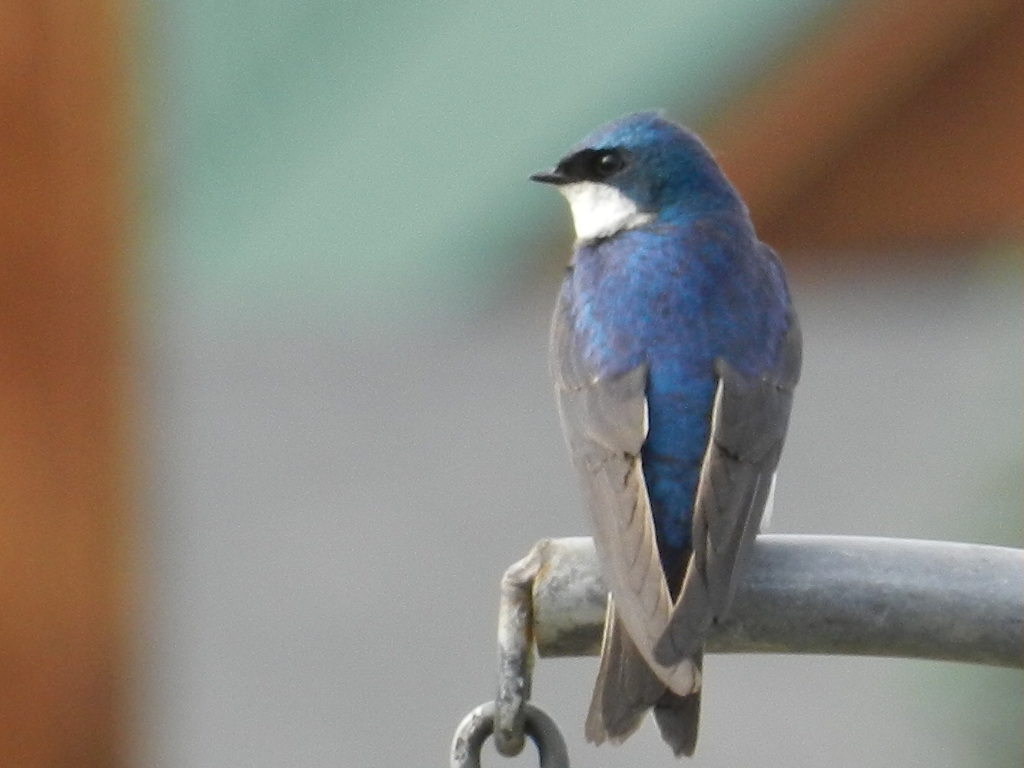
What’s more fun when families get together than some friendly rivalry? Our most recent gathering enjoyed some spirited lawn dart competition where daughter proved she could aim and hit the mark every bit as well as her dad, uncle, and husband could. Her victories weren’t the only surprise during this adrenalin generating family feud. A nearby swallow nest packed to the brim with fledgling young flew right into the middle of their game.

When the participants set up the perimeter lines and target zones, they considered the swallow nest situated on a pole high above our fence. After some discussion, players decided their activity wouldn’t disturb the young family. Their play extended far beyond the area where mom or dad traditionally flew out of the nest, scolding trespassers.


During the first game or two, this distance appeared satisfactory. However, as noise levels increased, the tuxedoed parents grew ever more agitated and flew closer and closer to those carefully lining up their darts with the target.
  
Those of us sitting in the observation seats on the patio had a clear view of the increasingly irritated birds. At first, they swooped above our players’ heads by a good foot. When the focused team members ignored their shrill cries and frantic flutterings, the birds’ trajectory dropped til they cruised inches above the competitors’ hair or scalp, depending on which player they targeted.

In a further effort to appease angry swallows, the players moved their field of play over as far as they could without being in the busy street. Unfortunately, hostilities had escalated to the point that nothing the humans did satisfied the birds. The black and white torpedoes plunged right above my mom’s head, riffling silver hairs when she walked out with a water pitcher to refill their birdbath—something they’d accepted all summer long.

By the second night, we thought the birds’ emotions had settled and they’d gotten used to having extra humans in the yard. Nope! They ordered a backup crew. Instead of the two swallows who’d dive-bombed the games the night before, six birds performed acrobatics directly above the players as they focused their concentration to place weighted darts inside a yellow ring on their opponents’ end line.

Players and audience tried to figure out where these extra attackers came from. We had only one swallow nest in the yard though we had seen other birds flying about the neighborhood. While we puzzled this mystery, lawn dart competition continued til we celebrated a victor.


After our guests left the following day, we noted they weren’t the only ones absent. Our swallow family had exited as well. That offered a huge hint as to the source of the extra attackers.

We knew the babies were nearly grown. We’d seen them peeking out the bird house opening and then making awkward, short flights as their parents taught them to hunt nearby insects. They must have been more mature than we realized and emerged from the nest fully capable of joining the parents’ attacks on nearby humans.

As family gatherings go, this was a good one. It was great to see one another and to see a nearby bird household in action as well.


When Faking It Isn't a Bad Thing

When Faking It Isn’t a Bad Thing

All of us have attended weddings and marveled at beautiful bouquets a bride and her attendants carried down the aisle. Those of us who enjoy flowers appreciate well-designed arrangements that brighten the sanctuary. Then our roaming eyes note the corsages and boutonnieres that mothers, fathers, grandparents, and groomsmen wear. In the past, brides were at the mercy of their mother’s garden or a savvy florist for these bridal necessities. Every blossom was freshly cut and arranged  just before the wedding. Nowadays, wives-to-be visit hobby stores to select realistic silk flowers that hold color and shape before and after their nuptials.

Like all new trends, this one got off to a slow start and guaranteed a bit of snooty commentary among guests with old-fashioned sensibilities. However, manufacturers realized the potential for these everlasting blossoms and tweaked their product until it’s impossible to tell whether you’re looking at someone’s garden glory or a fake. Who hasn’t slyly fondled a silk plant or arrangement to see if it’s the real deal? It doesn’t take much imagination to see why this market succeeded while others didn’t.

I’ve discovered that weddings aren’t the only place silk flowers are lovely to look at and affordable. Folks who live in deer country are discovering they can design colorful flowerbeds that brighten their yards and last all summer for the same price they’d pay for garden shop plants.

For readers who’ve never dealt with a determined doe or buck with an acquired a taste for tulips, daffodils, geraniums, and daisies, the gardener fights a losing battle. Those wily critters can leap high fences, gobble tender leaves and blooms, and exit before you can ask “Whitetail or muley?”


This summer, I’ve watched several does mow neighbors’ and my healthy plants to stubble, so I’m familiar with their sneaky strategies. Nothing frustrates a green-thumbed dreamer more than going to bed knowing their prized plant is about to flower and coming outside the next morning to find sheared  stumps it its place.

A nearby resident figured out how to deceive the local herd and still enjoy a colorful yard. As I walked past their waist-high fence week after week, I noted delicate iris, hyacinths, tulips, daisies, and daffodils. After seeing these always perfect flowers, I wondered why their blooms lasted so long. Curiosity overcame me until I wandered close enough to examine their garden more closely. Yep, they’d torn a page out of a bridal magazine and loaded their bordered beds with silk plants. Apparently, they didn’t buy cheap stuff because this greenery looks real.

I’d loved to have seen the face of the deer that bounded over that fence to sample that first fibrous petal. If I didn’t relish the act of potting tiny sprouts  and nurturing them as they grow into lush, leafy foliage filled with swelling buds, I’d be the silk plant aisle’s best customer. Those deer would need a mineral oil dosing to clean their systems out after they’d invaded my fake jungle.


The Battle Is On

The Battle Is On

Those who’ve read my column for years know I love hummingbirds. Those miniature bodies with needle-like beaks that zip through air emitting the spirited hum of an old-fashioned Singer sewing machine mesmerize me. Usually, I hear before I see their torpedo-shaped torsos flitting by at supersonic speeds. I love watching them dart to and from their feeders or from blossoms dangling over the edges of hanging baskets. What’s not to love, right?


The answer is ants! If you attract hummers, these insects soon follow. Since they are social by nature, they arrive in droves. You never get one or two. An endless parade of narrow- waisted, strong-jawed pheromone -using communicator s from every colony in the vicinity troops up tree, wall, pole, or whatever supports that bright bottle of sugar solution.

Usually, birds and bugs co-exist, eating sweet syrup daintily like red hat ladies enjoying a tea party. However, the other day, an iridescent broadtail swooped to the red plastic blossom inviting it to dinner. Upon arriving, it swiftly backed off and hovered before racing away.

I watched, thinking it would return. When it didn’t, I inspected the feeder hanging from a shepherd’s hook. I soon realized why my little buddy’s appetite vanished.

Miniscule ants by the thousands had marched up that pole and found their way into the mixture. Like desperate drunks, they drowned their sorrows and themselves before floating to the top of the bottle. Still-living relatives escaped out yellow and red flower-shaped feeding stations. That little hummer must have thought the Invasion of the Body Snatchers had arrived.

If that green fellow had lingered longer, he’d have reported to his friends that an awkwardly acrobatic older woman was doing a hootchie-cootchie dance. I couldn’t find a finger hold on that feeder that wasn’t covered two or three layers deep in ants. Every time I touched glass, plastic, or metal, eight-legged Huns raced up my hand onto my arm.

This emergency called for desperate action. A scum of dead creatures requiring disposal drifted at the top of the bottle, so I went for the big gun: a water hose with power sprayer. Taking enough time enough to douse myself from head to toe and muddy the soil beneath my feet, I drove the invaders from their castle. At last, I could antlessly lift feeder from hook.

Hundreds of carcasses washed down the drain as I cleaned the bottle before refilling it. I had to think of a way to discourage the families of these dead creatures from repeating the behavior that destroyed their companions. Thankfully, Necessity is the Mother of Invention.

I scrounged until found a lid built something like an angel food cake pan. I filled the top with water to discourage future sugar-crazed kamikazes from polluting my hummers’ carb supply.


So far so good--the sugar solution remains bugless. However, I worry that the natives swarming about my feet as I refresh the bottle are plotting to overthrow the crazily gyrating gramma who thwarted their feast.


Friday, July 1, 2016

A Good Thing Turned Monster

Wallace Stegner suggests specific landscapes speak to a person’s heart, and he’s right. Many have a favorite place that roots the spirit. Plants have a similar effect, and that preference is genetic at my house. Mom and I love clematis blossoms. We can’t grow too many or take enough photos of those blooming in our flowerbeds.

We’ve found we can cultivate them in western Kansas if we nurture them tenderly. That says volumes because this plant succumbs easily to heat and drought, natural elements of Kansas summers. Ironically, a wild species thrives in Wyoming’s cool mountain air and takes on kudzu-like characteristics, wrapping prolific tendrils around fences, trees, and anything else that holds still a moment too long.

Four Easters ago, I gave my mom two plants, one purple and one white. She tucked them in soil east of her front door and watched them twine up metal porch poles. That first summer, blossoms were sparse and plants stunted. The next season, they decided to showoff and bloomed prolifically as they advanced toward her guttering. Despite the resulting fuzzy seeds, sometimes called old man’s beard, her plants didn’t spread. In fact, the opposite occurred.


The third year, only the white vine re-sprouted. Her purple variety didn’t survive. Despite our disappointment at losing the deeper-hued plant, its companion compensated. At one point, Mom had 50 saucer-sized, white blooms climbing toward heaven. To support the extra weight, she added a chicken wire frame.

After watching her success, I planted clematis near my back porch. This year it flowered for the first time so I can expect hordes of blossoms next spring. Like mom’s plant, the seeds haven’t spread. Until I visited Wyoming during the summer, I thought this was unfortunate. After seeing what happens with unchecked clematis growth, I’m delighted our plants haven’t reproduced.

In central Wyoming’s Wind River Range, wild clematis fills river bottoms and takes over yards of anyone naïve enough to try to domesticate it. When I view the acres of green vines climbing logs, trees, bushes, fences, and bridge foundations, I see how it got its folk name--virgin’s bower. I might not understand the virgin part, but left to its own devices, this plant forms shady tunnels big enough provide napping space for several classrooms full of students. Less lethargic children could play hide-n-seek for days in these green grottoes and not find all their playmates.


In one familiar yard, previous owners turned this wild vine with delicate yellow blossoms loose along their fence. Once they realized its capacity to overtake everything in its path, they wrenched woody stems loose from metal fencing and considered that a closed episode. Imagine their surprise to discover  hairy seedpods had blown about their lawn and took root the next spring. Instead of an orderly row of trailing creepers clinging tightly to chain link, baby vines sprouted and spread across two lots.


Once I saw this favorite plant growing unchecked, I was glad the cultured clematis growing in mom’s flowerbed and mine hadn’t reproduced. Despite having lovely flowers that succor bees, this plant growing out of control is a monster that becomes too much of a good thing.

Friday, June 17, 2016

Old-Fashioned Gramma’s Garden


Lots of us dream about accomplishing something that makes others shake their heads in wonder. My funky lifetime wish has been to grow an old-fashioned gramma’s flower garden full of purple, blue, and pink larkspur and bachelor buttons; orange, red, and yellow Indian blankets; lavender cosmos; yellow and white daisies; and multi-color hollyhocks. Despite lifetime efforts and lots of money spent on seeds, it’s taken me 40 years and aspringtime of gentle, well-timed, ample rains to make my dream come true.

The irony of this beautiful flowerbed makes me chuckle. I left town and abandoned it to Mother Nature’s care for weeks. During that time, it had no encouragement. No weeding, no fertilizing, no thinning out plants, no early morning sitting on the paving stones dreaming about the pretty bouquets I hoped to harvest and  display in my kitchen window. Apparently, dirt and seeds enjoy benign neglect because I drove up after that absence to spy thriving pinks, purples, blues, lavenders, whites, yellows, oranges, and reds spilling over garden borders and waving wildly  in evening breezes. They were everything I’d hoped for all the years I’d planted store-bought seed and carefully tended previous endeavors.

So, the next irony in this story is that girlfriends gave me hollyhock and larkspur seeds a few years ago. I then harvested bachelor button and Indian blanket seeds that I’d planted two summers ago and sprinkled those among my friends’ gifts. None of this year’s crop came from miserly garden shop packets. Nope, these were homegrown. Two fellow gardeners and I collected dried pods from previous years’ growth, separated the tiny seeds, and then saved them in paper bags to share.


The hollyhocks, bachelor buttons, Indian blanket, and larkspur took a year to gain a solid foothold in my yard. Last summer, I had scraggly, hesitant blooms--nothing like the towers of frothy color dancing boldly under this spring’s sun. In addition to the rain helping, I suspect good old Kansas breezes had something to do with the expansion of my plantings. A few seeds blew south and started new growth. Then stout southerly winds tumbled the majority of them north across our driveway until they landed in a bed of wood chips. Imagine my surprise to see them take root and grow.


By allowing nature to take its course, I ended up with stunning flowers in places I didn’t sow them. Initially, I thought I’d pull the unplanned starts, but I’m glad I didn’t. Not only do I have a new bed of larkspur and bachelor buttons outdoing itself on the other side of the drive, I have hollyhocks in places I never expected to find them. They proudly belong.


Perhaps letting Mother Nature do her thing in the sowing and watering is the secret to a successful old-fashioned, Gramma’s garden. That saucy anthropomorph has done a stellar job  taking seeds friends gave me, multiplying and then tossing them in the wind, and raining on them to show me how to get the job done. I’m going to help her out by harvesting, drying, and passing on these tiny power packs of beauty to my daughters and my friends.


Wednesday, June 8, 2016

A Window to the Past


Not long ago, I wrote an article about my interest in stained glass and shared photos of windows at Cottonwood Ranch in Studley. Several people said they wanted to know more about them. This topic is a mystery in progress, but I have more to share thanks to Don Rowlison, ranch curator.

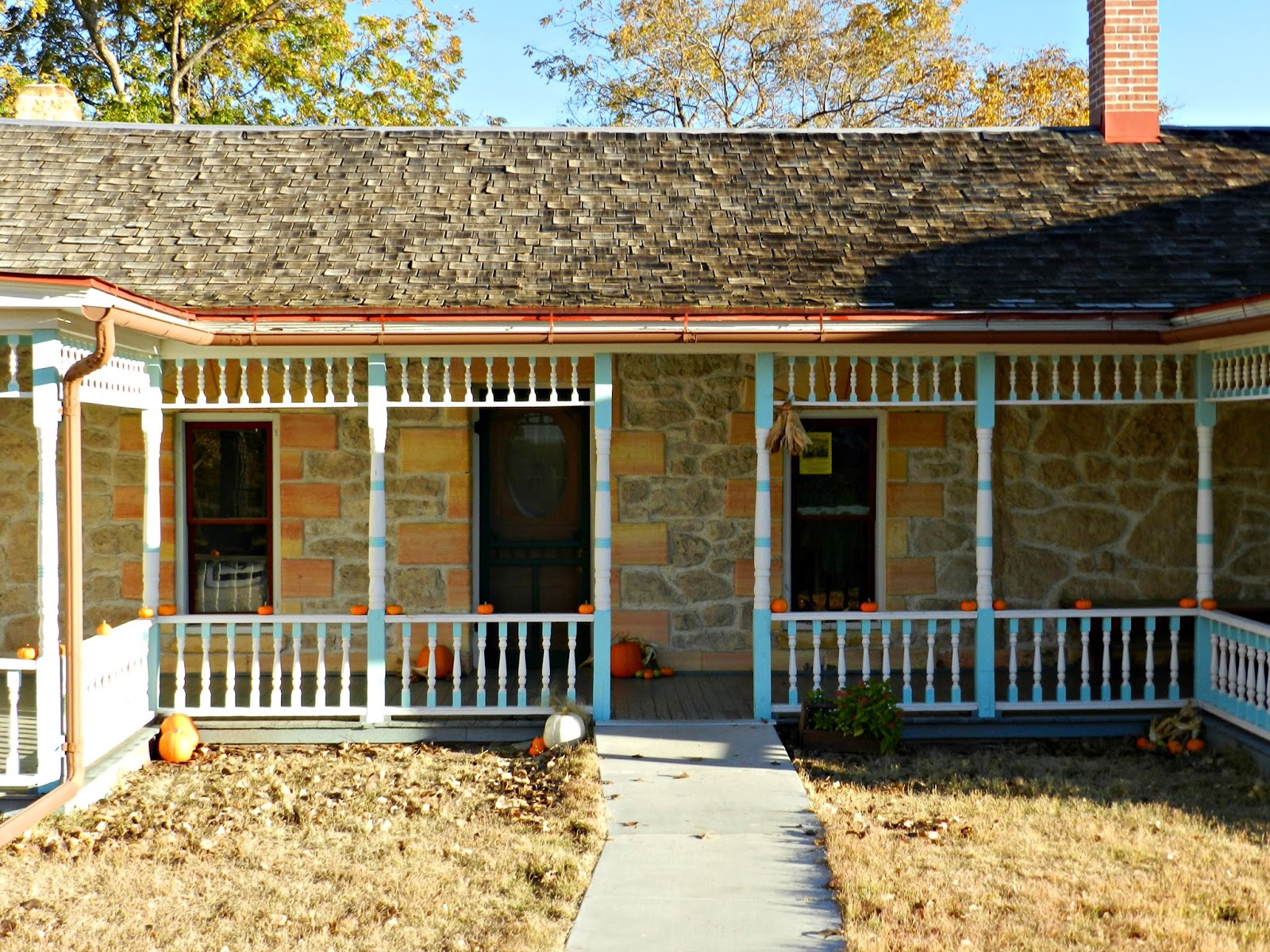
The first Pratt settler, Abraham, an English entrepreneur first immigrated to Kansas in the late 1870s. He bought 160 acres along the South Solomon River, where he occupied a dugout. Despite the rustic conditions he faced in Kansas, he saw possibilities and returned to England where he convinced his oldest son John Fenton Pratt to return with him. Once here, John bought 160 acres of his own property from the Kansas Pacific Railroad on the north side of the river. Both men continued living in the underground home until the mid-80s when brother Tom helped them construct a single- roomed native stone structure on John’s property.

Along the way, the elder Pratt consolidated the towns of Skelton and Carl into Studley, named after a landmark in his native England. Then he established a lumberyard and ran it in addition to the agricultural endeavors he shared with his sons.

Due to the closing of the cattle trails and opportunity created by the 1883 depression, these men created a Yorkshire-style sheep operation. Through the mid-1880s, they replaced south-aligned sod buildings with native stone until they completed the traditional English structures and fencing visitors now observe at this historic site.


As the family became more successful, the ranch house developed from a single room stone structure to a lovely Victorian home with a parlor, dining room, kitchen, bath, and multiple bedrooms. To enhance its prairie presence, John or Jennie Pratt ordered four stained glass windows from the Studley lumberyard.

Those who have visited Cottonwood Ranch today know that they hung one window in the dining area, one called Lavender and Lace on the north side of the  kitchen, another larger design titled Buttons and Bows above their then-modern tin tub, and a still striking oval design  in the guest bedroom.


John was a meticulous record keeper and recorded when he ordered his windows from his father’s lumberyard. A researcher familiar with the records and era speculated these were shipped from Chicago, perhaps from the Sears or Montgomery Ward catalogues. That information is uncertain; however, John’s books indicate he frequently bought from these merchants.

We know the name of the designs in the bathroom and the kitchen.  Thanks to John’s records, we know the bathroom glass cost the handsome sum of $7.87. The delicate oval window visitors see from the front porch was more dear. According to his accounts, Pratt valued it at $16.83.

These prices seem cheap by today’s standards, but according to a site detailing 1896 wages, Kansas laborers averaged $2.50 per day. I’m guessing pay was lower in western Kansas where this ranch is located. Even at the stated daily wage, a person would have to work half a week to buy the less expensive product and six days to purchase the lovely oval design. Based on the windows installed in his house, raising sheep was profitable for John Fenton Pratt.


It’s worth a trip to Cottonwood Ranch to view these lovely art forms and to visit with Don Rowlison who has an encyclopedic understanding of this family and their role in Kansas history.

Thursday, June 2, 2016

Mosquitoes and the Food Chain

I spend considerable time in Northwest Wyoming where growing populations of grizzlies and black bears remind me humans are not the dominant species in the Greater Yellowstone Eco-system. Every year a hiker or hunter runs into a creature that thinks Homo sapiens are a food source. Prepared individuals have their bear spray or weapon close at hand to fend off such unwanted attention. Unfortunately, locals tell stories about those surprised by these beasts who don’t survive the encounter. Such tales set a nervous person on edge, but recent news reports about insect-borne damage and disease make me realize these mammals aren’t humans’ worst nightmare.

It’s bad enough to think about a colony of termites silently chomping their way through the wood supports in your home, wreaking havoc. I know an individual who bought an older residence and began remodeling only to discover millions of these tiny creatures digested his studs and supports into a holey mess. Even if homeowners find these insects in time to prevent massive structural damage, they’ll pay a pretty penny to destroy the colony and then fund maintenance treatments to keep future invaders away forever.

In another creepy-crawly story, a family we know recently discovered bed bugs hitchhiked home with them from their workplace. Fortunately, they caught the infestation early, but again it was a financial drain to wipe out these uninvited bloodsuckers. Just thinking about them makes me itch so I’m sure those fighting them directly suffered worse mental tortures.

While the mammals and bugs I’ve mentioned inflict horrific damage, newspaper stories from around the world inform us that nasty as they are these aren’t our worst fears. Aedes mosquitoes, known in the past because they transmit yellow fever, also carry the Zika virus and produce nearly as many headlines as current political candidates do. Scientists first identified this disease in the Zika Forest in Uganda in the 1940s. Since then, it has spread to multiple continents, most recently including South and Central America, Mexico, and the Caribbean. Southern America is on the radar.

In most cases, this disease related to dengue fever and West Nile virus causes unremarkable symptoms such as mild headaches, joint pains, and reddened eyes. In many cases, victims don’t even know they contracted it, or if they do, a Tylenol handles their complaints. In worst-case scenarios, the pathogen passes through a mother’s placenta to her fetus, causing microcephaly, a condition resulting in intellectual and motor disabilities. Concerns about this life-altering issue are affecting fertile women’s travel plans and attendance at the upcoming summer Olympics in Brazil.

When I read about young mothers delivering infants affected by this virus, I realize my fear of bears is over-rated. After all, in bear country, I have control. I carry pepper spray any time I’m in their territory and know if I use it correctly, the spritzed critter will race away. At this point, humans can also manage termite and bedbug infestations even if it puts a whammy on bank accounts and sets imaginations on overdrive.

Unfortunately, civilization hasn’t won the mosquito wars. We still battle malaria and yellow fever, and now we know these winged destroyers transfer a virus that humans can pass to their unborn with disastrous results. It’s beyond humbling to acknowledge something as small as a mosquito owns the top of the food chain.